
Online reputation management is the structured discipline of building, protecting, and amplifying a doctor's reputation across Google, Practo, Justdial, Lybrate, and every other platform where patients form first impressions. DoubleSure runs ORM for doctors, clinics, and multi-location practices across India. We generate real patient reviews, manage responses professionally, monitor mentions across the web, and intervene when something goes wrong. Most clinics see real shifts in review velocity and overall rating within 60-90 days.

Before a patient ever walks into your clinic, they make a decision based on what the internet says about you. Not your website. Not your qualifications. The reviews on Google. The star rating on Practo. The recent feedback on Justdial. The Quora answer from someone they've never met. The Reddit thread their cousin shared.
For most doctors in India, this layer of reputation gets built by accident. Patients drop reviews when they feel strongly enough. Most don't bother. Negative reviews get more attention than positive ones. Old reviews from 2022 are still the first thing prospective patients see. A single misunderstanding from one patient three years ago is doing more damage today than your last 50 successful procedures combined.
This is the problem online reputation management solves.
DoubleSure runs ORM for doctors, clinics, and multi-location practices across India. Not as a side service. As a structured, defensive discipline because for most clinics, the reputation layer is what determines whether a high-intent patient becomes a phone call or a closed tab. We don't take on hotel chains or e-commerce brands. Healthcare reputation is different — the cost of one bad review on the wrong platform is measured in lost patients for months, not lost transactions for days. The compliance rules are stricter. The patient psychology is more emotional. The recovery timeline is longer.
Our work is built around the way Indian patients actually evaluate doctors today: scrolling through reviews on a phone, reading the most recent five, weighing the response patterns, and deciding in under ninety seconds whether to call you or your competitor.
Three things shape how reputation works for doctors in India today.
Patients reading reviews scroll the most recent ten before they look at the overall star rating. A clinic with 500 reviews averaging 4.8 stars but no review in eight months feels stale. A clinic with 80 reviews averaging 4.7 stars with three new five-star reviews in the last two weeks feels alive. Reputation isn't built once — it has to be visibly maintained.
When a patient sees a 2-star review, they read the doctor's response before they decide what to think. A graceful, professional response often impresses future patients more than the negative review damages confidence. A defensive or absent response amplifies the damage. Most doctors never respond. Most agencies write robotic templates. Neither approach works.
Your reputation is on Google. And Practo. And Justdial. And Lybrate. And Healthgrades. And BookMyDoc. And LinkedIn. And patient WhatsApp groups. And Quora. A clean rating on Google means nothing if your Practo profile has unresolved complaints from 2024 sitting at the top. Reputation management is now a multi-platform discipline, not a single-platform fix.
DoubleSure is built around all three of these realities.
We start by mapping your existing reputation across every platform that matters in India: Google Business Profile, Practo, Justdial, Lybrate, BookMyDoc, Healthgrades, and 15+ other directories patients actually check. Most doctors are shocked at what we find — outdated profiles, duplicate listings, old negative reviews with no response, mentions on forums they didn't know existed. The audit is the foundation of every fix that follows. (See: how Indian doctors should approach content marketing in 2026)
The fastest way to fix a thin or aging reputation is to start generating fresh reviews from genuinely happy patients. We build a structured request system: WhatsApp follow-ups timed 24-72 hours after appointments, QR code cards at every reception, email templates for follow-up consultations, and gentle reminders. Real patients. Real experiences. No fake reviews, ever — that gets profiles suspended permanently and erodes the trust you're trying to build.
Every review gets a response within 24 hours, including the negative ones. Especially the negative ones. We draft and post responses that are professional, NMC-compliant, and never defensive. A graceful response to a difficult review often impresses future patients more than a profile full of perfect five-stars. We use your voice, not a template — patients can tell the difference, and so can platforms.
If your Google profile has 4.8 stars but your Justdial shows 3.2, prospective patients trust the lower rating. We work through every platform systematically — fixing inconsistencies, addressing unresolved old complaints, claiming unclaimed listings, removing duplicates that fragment your review count. By the end of the cleanup phase, your reputation looks consistent everywhere a patient might check.
Sometimes things go wrong — a misunderstanding becomes a 1-star review with an emotional story, or a competitor's marketing campaign creates a wave of suspicious negative reviews, or a patient's family takes a difficult outcome public. We have structured protocols for each scenario: rapid response drafting, platform escalation for policy violations, sentiment redirection, and where appropriate, legal pathway guidance. The first 48 hours of a reputation crisis decide the next 6 months.
Not every negative review is from a real patient. Competitor sabotage, ex-staff retaliation, and bot-driven attacks are common in Indian healthcare. We identify reviews that violate platform policies — fake accounts, off-topic complaints, defamatory content — and pursue removal through Google, Practo, and Justdial's official processes. Removal isn't guaranteed, but the success rate when reviews genuinely violate policy is high. (See: DoubleSure specialty discovery platforms)
We monitor mentions of your name and clinic across review platforms, forums, social media, news sites, and Quora — daily. When something appears, you know within 24 hours, not three months later when a patient finally tells you. Early detection is the difference between a small fix and a public relations problem.
Some patients want to share their experience but never quite get around to leaving a review. We build the system that captures these stories at the right moment — video testimonials filmed at the clinic, written stories collected through structured interviews, before-and-after documentation with consent. These become your highest-value reputation assets, used on your website, social, and as evidence in difficult situations.
The Indian National Medical Commission has clear rules about what doctors can and cannot do with testimonials and reviews. Most agencies don't know these rules. We do. Every review strategy we run passes NMC compliance review — meaning your reputation grows without putting your clinical license at any risk.
You see exactly what changed each month: review velocity by platform, average rating trends, response time on negative reviews, monitored mentions, sentiment scores, and ranking position for your priority keywords. Not vanity metrics. The numbers that map directly to whether more patients are choosing your clinic over competitors.
A doctor's reputation is built one patient at a time, over years. It can be damaged in a week. The clinics that protect what they've built are the ones who get reputation management right before they need it — not after. The right ORM setup makes your reputation visible, defended, and growing — and the only way to know where you stand today is a conversation.
Book a Free ORM Audit →We audit your current reputation across 20+ Indian platforms. Identify outdated profiles, duplicate listings, unresolved old reviews, and mentions you didn't know existed. Then we systematically clean up: claiming unclaimed listings, fixing NAP inconsistencies, responding to old reviews that never got a reply, and pursuing removal of policy-violating reviews. By the end of Month 1, your reputation footprint is consistent and current for the first time — and patients checking you across multiple platforms see a clinic that's actively engaged.
The structured review generation system activates: WhatsApp follow-ups, QR codes at reception, email templates, and timed reminders. Every clinic location and consultation point becomes part of the system. Most clinics see their monthly review count grow from a baseline of 2-3 reviews to 15-40 reviews within the first 60 days. Every review gets a response within 24 hours. The increased velocity and visible engagement starts shifting how prospective patients perceive your reputation.
Daily monitoring is live across review platforms, social media, forums, and Quora. When mentions appear, you're notified within 24 hours. Crisis response protocols are documented and ready. By this stage, prospective patients searching for you find a clinic that consistently looks responsive, current, and trustworthy — across every platform they check. Average ratings begin to stabilize and rise. (For more on the realities of growing a medical practice, see: the realities of growing a medical practice into a real business)
By Month 5, your reputation has reached the visible quality threshold most prospective patients use to decide whether to call. Review velocity continues. Response times stay tight. New mentions get acknowledged. Cross-platform consistency holds. The cost of acquiring a new patient through reputation channels falls steadily because the conversion rate from search visit to phone call keeps improving. By Month 12, you're operating with a defensive moat — competitors with weaker reputation management lose patients to you whose decisions are based on what they read before they ever pick up the phone.
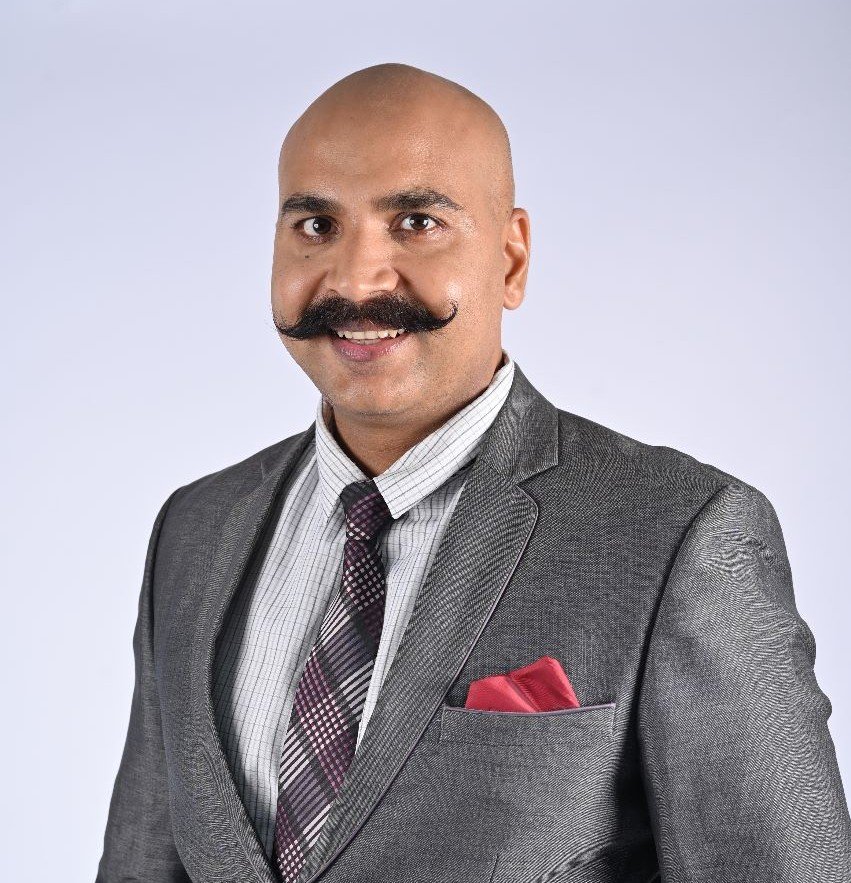
"DoubleSure didn't just manage our reviews — they built the reputation system the practice should have had from day one. Today, when patients check us before booking, what they see is exactly the practice we actually run. That alignment is what changed everything."
— Dr. Pankaj Sharma, Founder, Revival Healthcare
The case study most people don't realise about Dr. Pankaj Sharma's Revival Healthcare isn't about how he ranks on Google Maps. It's about something quieter and more durable — the reputation layer underneath everything.
Anyone who searches Dr. Pankaj Sharma today sees a doctor with 1,200+ patient recommendations on Practo, with patient stories that read like real conversations rather than testimonials. They see a 5/5 rating across 1,200+ ratings on Justdial. They see review responses that are warm, specific, and clinically grounded — never defensive, never templated, never robotic. Most importantly, they see a reputation that has clearly been built one patient at a time, over years, across multiple platforms — exactly the kind of reputation patients trust before they pick up the phone.
That layer didn't exist three years ago. When DoubleSure started working with Dr. Sharma, the reputation looked uneven. Revival Healthcare had been delivering excellent clinical outcomes across Noida for years, but the digital reputation hadn't kept pace with the practice. Some patients had left reviews, most hadn't. The reviews that did exist were scattered across platforms inconsistently — strong on one site, thin on another. Old reviews from years past sat with no response. Negative reviews — the few that existed — had no professional reply, leaving prospective patients to make their own assumptions about what happened.
We built the reputation infrastructure from scratch. The patient review generation system went live across all six Noida locations — WhatsApp follow-ups at the 24-72 hour window, QR codes at every reception desk, email templates for follow-up consultations, gentle reminders timed to when patients are most likely to share an experience. Every single review that came in — positive, negative, or neutral — got a response within 24 hours. Dr. Sharma's actual voice became visible in those responses: warm, specific to the patient's case, clinically grounded, never defensive.
The cross-platform cleanup ran in parallel. We worked through Practo, Justdial, Lybrate, MapMyIndia, and 15+ other directories. Outdated information got corrected. Duplicate listings got merged. Old unresponded reviews got thoughtful replies. NAP inconsistencies that had accumulated over years got fixed. By the end of the cleanup phase, every platform a patient might check showed the same accurate picture of Revival Healthcare.
The monitoring stayed permanent. Daily checks across review sites, forums, and social platforms — meaning if a new mention appeared anywhere, we knew within 24 hours rather than three months later when a patient mentioned it at an appointment.
The compounding effect is what made the difference. Revival Healthcare was featured editorially in DoubleSure Insights' Startup in Focus series as a result of the visible reputation quality — editorial coverage that further strengthened trust signals across the web. The practice didn't just look reputable. It became one of the most trusted physiotherapy names across Delhi NCR, with patient acquisition shifting from word-of-mouth referrals to a steady, predictable flow of inbound inquiries from patients who had already decided based on what they'd read.
Transparency is the foundation of our partnership.
We don't buy reviews. Every review on a profile we manage comes from a real patient who actually visited the clinic. Buying reviews works for about 60 days before platforms detect the pattern, remove the reviews, and sometimes suspend the profile permanently. The damage is hard to undo.
We don't write fake responses to make negative reviews disappear. Every response goes out in the doctor's actual voice, addressing the specific patient's specific situation. Generic or templated responses are spotted by patients immediately and make the reputation problem worse, not better.
We don't promise removal of every negative review. Some reviews are unfair but don't violate platform policies — those stay. We can shape how prospective patients perceive them through graceful response, but we won't promise removal we can't deliver.
We don't take on businesses outside healthcare. The psychology of patient trust is genuinely different from how reputation works in hospitality or retail. We've focused our entire process around healthcare, and we don't dilute that by working outside the category.
We don't engage in defamation suppression that crosses legal or ethical lines. If someone has made false, defamatory claims, we'll guide you on the legal pathway — and we'll help your legitimate reputation rebuild around it. But we won't bury truthful negative feedback through tactics that hurt patients who had real experiences.
Get a free ORM audit. We'll review your current reputation across every platform where Indian patients actually check — Google, Practo, Justdial, Lybrate, social, and forums — and tell you exactly what's hurting you, what's missing, and what your realistic 6-month reputation timeline looks like. No obligation, no sales pitch.
Book a Free ORM Audit →